
Arctic Blast and Staying Safe During Extreme Cold Weather
The wind cuts through your jacket like a knife. Your car refuses to start. The weather app shows a number so low you have to look twice. An arctic blast has arrived.
These brutal cold snaps don’t just make us uncomfortable—they can be genuinely dangerous. But here’s the thing: you don’t have to be caught off guard. Let me walk you through what actually happens during one of these polar invasions and how to protect yourself and your loved ones.
What Exactly Is an Arctic Blast?
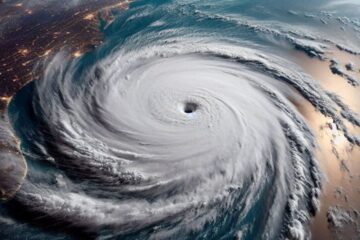
Think of the Arctic as a giant freezer with a occasionally faulty door. Most of the time, strong winds called the polar vortex keep frigid air locked up north where it belongs. But sometimes, this system weakens or shifts, and all that pent-up cold comes pouring south like water from a broken dam.
When meteorologists talk about an arctic blast, they’re describing air masses that originated near the North Pole—air so cold it can drop temperatures by 30 or 40 degrees in just a few hours. Add wind to the equation, and the wind chill can make it feel even colder, sometimes reaching life-threatening levels.
The Hidden Dangers You Need to Know
Extreme cold doesn’t just freeze your pipes. It freezes people too.
Hypothermia sneaks up on you. Your body loses heat faster than it can produce it, and your core temperature drops. You might start shivering uncontrollably, fumbling with your hands, or feeling confused. In severe cases, you stop shivering altogether—and that’s when you’re in real trouble.
Frostbite attacks your extremities first: fingers, toes, nose, ears. The tissue actually freezes. Your skin turns white or grayish-yellow and feels unusually firm or waxy. Here’s what catches people off guard: frostbite can happen in as little as five minutes when wind chills dip below zero.
And then there’s your heart. Cold weather makes your cardiovascular system work overtime. Shoveling snow during an arctic blast? You’re asking your heart to pump harder while your blood vessels constrict from the cold. Heart attacks spike during these events.
Your Arctic Survival Checklist
Before the blast arrives:
Stock up like you’re preparing for a winter camping trip—because essentially, you are. Fill your pantry with non-perishable foods and bottled water. Charge every device you own. Make sure you have batteries, flashlights, and a battery-powered radio. Power outages love extreme cold.
Check your heating system. Clean or replace filters. If you use space heaters, inspect them now, not when you desperately need them at 2 AM.
Gather extra blankets, sleeping bags, and warm clothing in one accessible spot. Layer them up: cotton traps moisture and makes you colder when wet, so go for wool or synthetic materials that wick sweat away.
Protecting your home:
Let your faucets drip—yes, really. Moving water doesn’t freeze as easily as still water. Open cabinet doors under sinks to let warm air circulate around pipes. Disconnect and drain outdoor hoses.
Seal up drafts around windows and doors. Even small gaps bleed heat like crazy. Use weatherstripping, plastic sheeting, or even rolled towels in a pinch.
When the cold hits:
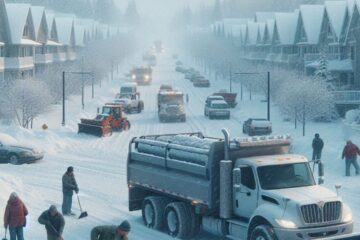
Stay inside as much as humanly possible. I know that sounds obvious, but people underestimate how quickly extreme cold becomes dangerous. That quick trip to the mailbox? Bundle up like you’re going on an expedition.
If you absolutely must go outside, dress in layers—three is the magic number. A moisture-wicking base layer goes against your skin. An insulating middle layer (fleece or down) traps warm air. A windproof, waterproof outer layer blocks the elements. Don’t forget a hat that covers your ears, insulated gloves or mittens, a scarf to cover your face, and waterproof boots.
Limit your time outside to 15-20 minutes when wind chills reach dangerous levels. Set a timer on your phone if you need to.
Watch out for vulnerable people:
Check on elderly neighbors. Their bodies don’t regulate temperature as efficiently. Look in on anyone living alone, people with mobility issues, and households with young children. A quick phone call or doorbell ring might save a life.
Bring pets inside. If they’re cold, they’re really cold. Outdoor cats will seek warm spots like car engines—honk your horn before starting your car during a blast.
Car safety matters:
Keep your gas tank at least half full. This prevents fuel lines from freezing and ensures you can run your heat if you get stranded.
Pack an emergency kit: blankets, extra warm clothes, non-perishable snacks, water, a flashlight, a small shovel, and kitty litter or sand for traction. Throw in a phone charger too.
If you get stuck, stay with your vehicle. Run the engine for heat only ten minutes each hour, and crack a window slightly to prevent carbon monoxide buildup. Make sure your exhaust pipe isn’t blocked by snow.
Recognize the warning signs:
Learn to spot hypothermia: shivering, exhaustion, confusion, fumbling hands, memory loss, slurred speech, or drowsiness.
Watch for frostbite: numbness, white or grayish skin, skin that feels unusually firm or waxy.
If you see these signs in yourself or someone else, get to warmth immediately and seek medical help. Don’t rub frostbitten areas—you’ll cause more damage.
The Bottom Line
Arctic blasts remind us that nature still calls the shots. But we’re not helpless. With preparation, common sense, and a healthy respect for extreme cold, you can weather these events safely.
The key is taking the threat seriously before that first brutal wind gust hits. Don’t wait until the arctic air has already arrived to start preparing. By then, you’re already behind.
Stay warm out there. And remember: there’s no shame in canceling plans when the weather turns genuinely dangerous. That dinner reservation or shopping trip will still be there when the cold breaks. You need to be there too.

Great tips! Thanks so much for sharing. I feel very lucky in that I work from home and lately anyway, have been making all meals at home so I have a stocked pantry and don’t really need to leave the house all that much. I am ready to stay inside through this upcoming storm!
What a timely post as we prepare for more snow this weekend. Stay safe and warm.
Great tips and warnings Danwil! I live in South Carolina where the winter weather used to be cool but not frigid like it is now. We are expecting a snow and ice storm this weekend and I’m not looking forward to it but being from the North originally, I always stay prepared.