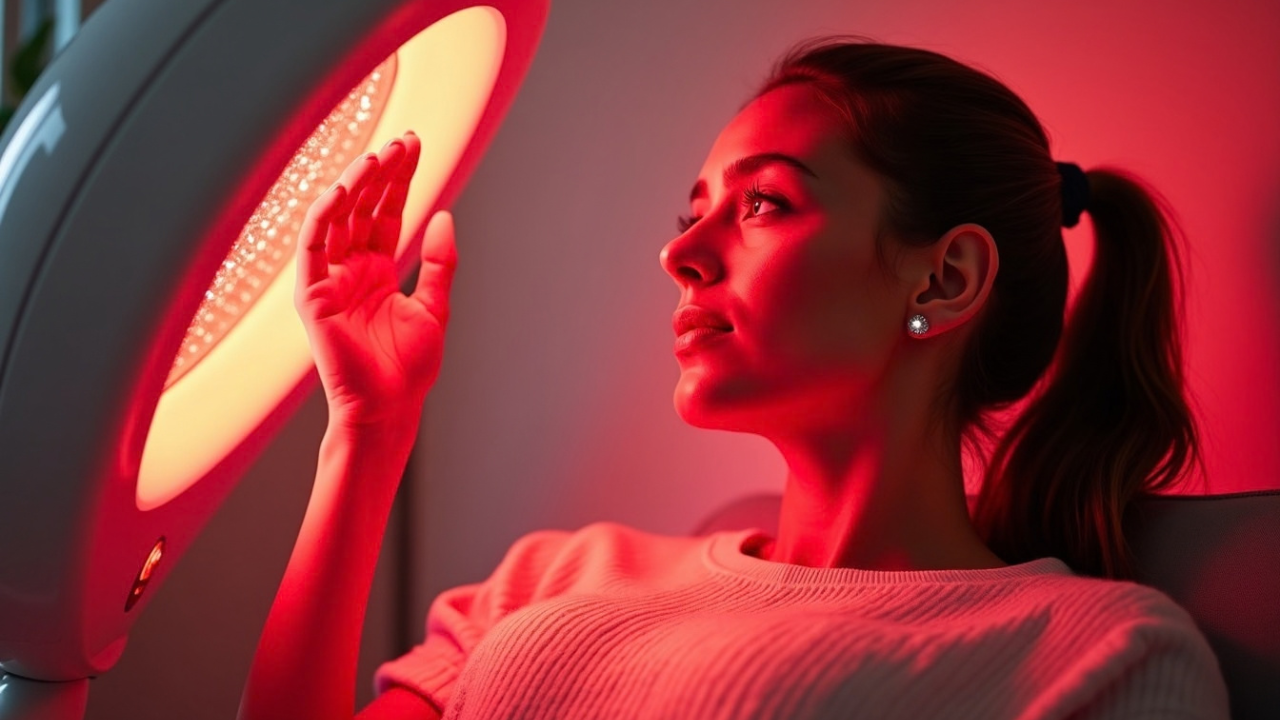
If you’ve spent any time on social media or walked into a modern wellness clinic lately, you’ve probably seen someone sitting in front of a glowing red panel looking like they’re powering up for a sci-fi action movie.
It’s called red light therapy (or photobiomodulation, if you want to sound like a lab scientist), and it has taken the health world by storm.
At first glance, it feels like another over-hyped biohacking trend. Sitting under a glorified red light bulb to magically fix your skin, melt away muscle soreness, and give you boundless energy? I was skeptical, too. But beneath the Instagram aesthetic lies some genuinely fascinating cellular biology—along with a few realistic caveats you ought to know before buying a fancy light setup.
Here’s a look at what red light therapy actually does, why it’s gaining so much traction, and how it can benefit your overall health.
How Does Red Light Therapy Actually Work
Far from being a standard bulb, red light therapy relies on precise wavelengths of visible red light (roughly 630 to 660 nm) paired with invisible near-infrared light (810 to 850 nm). Unlike tanning beds or saunas that rely on heat, these targeted rays penetrate beneath the skin without burning. Once absorbed, the light charges up your mitochondria—the internal batteries of your cells. This surge boosts adenosine triphosphate (ATP) production, giving your body the fuel it needs to repair tissue, reduce inflammation, and function at its best.
The Best Uses and Health Benefits
1. Rejuvenating Your Skin
According to Cleveland Clinic, this is easily the most popular reason people pick up an at-home red light mask or panel. Red light stimulates fibroblasts, the specialized cells responsible for producing collagen and elastin.
- Reduces wrinkles: Regular exposure helps smooth fine lines and improves overall skin firmness.
- Calms inflammation: It’s often used to soothe stubborn conditions like acne, rosacea, and eczema.
- Fades scarring: By speeding up cell turnover and local circulation, it helps heal old acne scars and minor surgical marks.
2. Soothing Joint Pain and Accelerating Muscle Recovery
If you wake up with stiff knees or get wrecked by delayed onset muscle soreness (DOMS) after a heavy workout, red light therapy can be a game-changer.
- Near-infrared wavelengths penetrate through skin straight into muscle, tendons, and joint tissue.
- By lowering inflammatory markers and boosting localized blood flow, it helps ease the deep aching associated with osteoarthritis, tendinitis, and general exercise fatigue, according to Memorial Sloan Kettering Cancer Center.
3. Promoting Hair Growth
For anyone dealing with thinning hair, red light therapy offers a non-invasive, drug-free alternative to traditional topical treatments. The red light stimulates dormant hair follicles back into their active growth phase, which can gradually increase hair density over time.
4. Wound Healing and Tissue Repair
Dermatologists and physical therapists have used low-level laser light for years to speed up wound recovery. Better circulation means more oxygen and nutrients reach injured areas, allowing your body to patch itself up faster.
My Honest Verdict: Is It Worth It?
In my opinion, red light therapy is one of the few wellness trends that actually lives up to a solid portion of its hype—provided your expectations are grounded in reality. Red light therapy is a long-term commitment, not a quick fix. You will not see dramatic skin rejuvenation or complete joint relief after a single brief session. Sustainable results require routine application over several weeks or months. When selecting a device, opt for reputable, medical-grade options that explicitly detail their irradiance levels and targeted nanometer ranges. It may not cure every condition, but as a non-invasive treatment that enhances the body’s natural restorative processes, it remains a strong supportive therapy.
Disclaimer: The information provided here is for educational and informational purposes only and is not intended as medical advice. It should not be used to diagnose, treat, cure, or prevent any health condition or disease, nor should it replace the advice of a qualified healthcare professional. Always consult with a physician or other licensed healthcare provider regarding any medical questions, diagnosis, or treatment options, or before starting any new health, fitness, or supplement regimen.
I had not heard of this…seems to be something that can be explored….
I’ve used red light therapy before and even have my own mask, so this caught my attention. With so many wellness trends promising quick results, it’s good to be reminded that consistency matters and not every claim is backed by the same level of research. I agree with your verdict. From my experience, it’s worth it!
Thanks for the information. I’ve been seeing these around and wondered if they actually work.
An interesting overview of red light therapy! I appreciate the reminder that, despite the hype, realistic expectations and consistency are key.